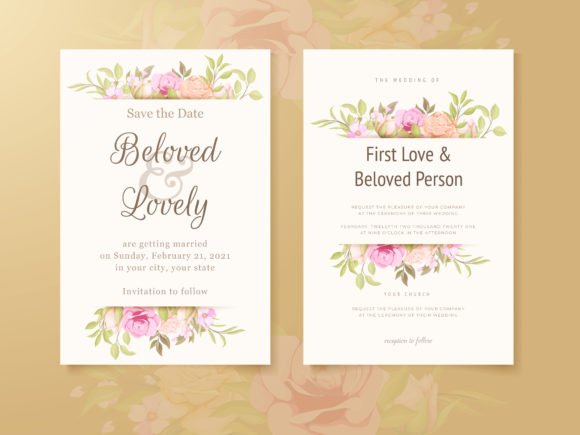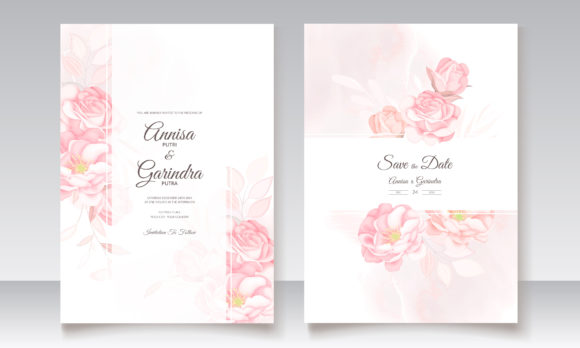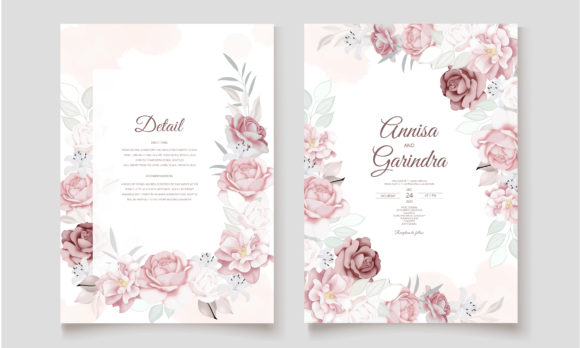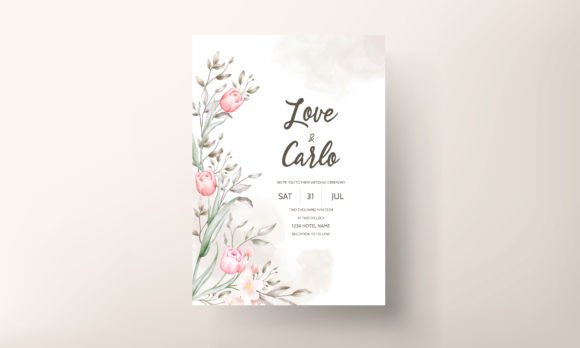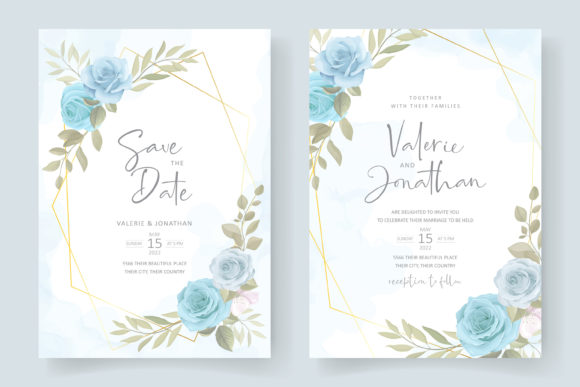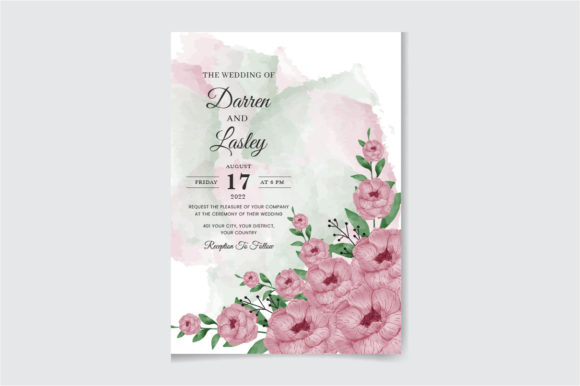
Watercolor Invitation Card Design: A Strategic Element for Memorable Communication
When planning a pivotal event like a wedding, the first point of contact with your guests is often the invitation. This piece of paper or digital asset carries more weight than a simple logistical announcement; it is a tone-setter, a brand ambassador for your celebration, and a tactile preview of the experience you are crafting. In this context, Watercolor Invitation Card Design emerges not merely as a stylistic choice, but as a strategic tool for communication and positioning.
The essence of watercolor lies in its soft blends, organic textures, and artistic spontaneity. Translating this into invitation design creates cards that feel personal, elegant, and thoughtfully crafted. Unlike rigid vector graphics or stark minimalist layouts, a Beautiful Watercolor Floral Wedding Invitation card conveys warmth and romance from the moment it is received. For entrepreneurs, small business owners, or creative professionals hosting client events, gallery openings, or premium workshops, this aesthetic can elevate the perceived value and care behind your gathering.
Aligning Design with Communication Goals
Before selecting any template, the foundational step is to clarify your goals. What is the primary message of your event? Is it celebration, professionalism, intimacy, or innovation? Watercolor Invitation Card Design is particularly adept at communicating celebration and intimacy. The fluid nature of watercolor art can mirror the fluid, joyful, and personal nature of a wedding or a milestone party. It tells guests that the event will be an experience, not just a schedule.
For marketers and bloggers, using such a design for a special webinar, launch event, or reader meet-up can dramatically increase engagement. The invitation becomes a piece of content itself, sparking interest and sharing. This approach shifts the invitation from a functional item to a strategic marketing touchpoint, enhancing the overall customer journey.
The Practical Advantages of an Editable Template
The described features of an editable, customizable template using free fonts and Adobe Illustrator files present a significant operational advantage. Easy to Use and Editable Customizable Text Color mean that you, as the creator or decision-maker, retain full control. You are not locked into a designer’s hourly rates for minor changes, nor are you dependent on specific proprietary fonts that may incur licensing fees.
- Only free font used ensures broad compatibility and removes legal and financial barriers.
- Printable template guarantees that the design translates perfectly to the physical medium, a critical consideration for weddings where the tactile quality is paramount.
- Provision of files in Adobe Illustrator .AI format alongside a JPG offers flexibility. The .AI file allows for deep, vector-based customization in a professional design environment (Adobe Illustrator cc), while the JPG serves as a ready-to-use backup or for quick digital distribution.
This suite of features supports both creativity and productivity. A freelancer or educator can efficiently produce client or student event materials without deep design expertise, while a hobbyist with some Illustrator knowledge can achieve a highly personalized, professional result.
Strategic Considerations Before Implementation
While the aesthetic and practical benefits are clear, a thoughtful approach requires considering context. A watercolor floral design might not align with the brand identity of a corporate tech conference, for instance. The key is intentionality. Use Watercolor Invitation Card Design when your goals include:
- Evoking emotion and personal connection.
- Positioning an event as artistic, crafted, or luxurious.
- Creating a cohesive visual theme that can extend to day-of items like programs, menus, or signage.
- Standing out in a digital inbox where most invites are stark text or generic graphics.
Consider your audience’s expectations. For a traditional audience, a classic watercolor floral motif may be perfect. For a more modern crowd, you might customize the template to use abstract watercolor washes or minimalist botanical elements. The editable nature of the template makes this strategic adaptation possible.
Planning for Cohesion and Long-Term Value
An invitation often sets the visual precedent for the entire event. A strategic observation is to view your Beautiful Watercolor Floral Wedding Invitation card not as an isolated item, but as the cornerstone of your event’s visual branding. Can the color palette, floral elements, and texture be echoed in your website, social media graphics, and venue decor? This cohesion builds a stronger, more memorable experience for guests and enhances the perceived organizational skill of the host.
For small business owners, this thinking extends beyond a single event. If you host regular workshops or client appreciation dinners, maintaining a consistent, high-quality design signature—like a bespoke watercolor style—can build brand recognition and loyalty over time. The initial investment in a customizable template pays long-term dividends in operational efficiency and brand consistency.
Navigating Potential Risks and Pitfalls
Like any tool, using watercolor invitation design without clear goals or context carries risks. The primary risk is misalignment. A whimsical, soft watercolor invitation for a high-stakes, formal business merger announcement could confuse recipients and undermine the event’s seriousness. Another practical risk lies in the production phase. Even with a Printable template, one must consider paper stock, printing method, and finish. A delicate watercolor design might lose its nuance on poor-quality paper or with substandard digital printing.
Furthermore, reliance on the template requires basic competency with the provided software, like Adobe Illustrator. Without it, the customization potential is lost. Decision-makers should assess their own or their team’s capacity to utilize the .AI file effectively. If that capacity is lacking, the JPG file offers a fixed solution, but strategic customization for future events becomes limited.
Moving from Random Use to Intentional Application
The shift from random to intentional use of Watercolor Invitation Card Design is rooted in planning. Begin by defining the event’s core message. Then, audit the visual assets you already have or need. Map out how the invitation design will flow into other touchpoints. Finally, leverage the template’s features deliberately.
For example, use the editable text color not just for contrast, but to incorporate your brand’s accent color or the event’s secondary theme color. Choose free fonts that complement the watercolor’s organic feel—perhaps a elegant script for headers and a clean sans-serif for practical details. This level of detail shows thoughtful curation, which guests and clients will subconsciously register as professionalism and care.
Conclusion: Watercolor Design as a Strategic Choice
In the realm of event planning and professional communication, every element should serve a purpose. A Watercolor Invitation Card Design, particularly one offered as a fully customizable template with practical file formats, is more than a pretty picture. It is a versatile tool that, when used with intention, can enhance your event’s positioning, streamline your production process, and create a lasting positive impression on your audience. By aligning its soft, artistic strengths with your specific goals for communication and experience, you transform a simple invitation into a strategic asset that supports your broader objectives for that gathering and beyond.