The Art of Floral Invitation Design: A Focus on Soft Blue Elements
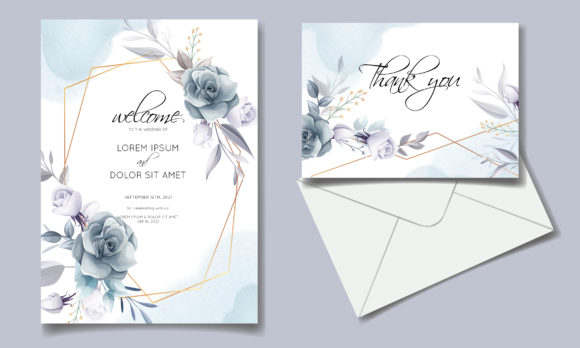
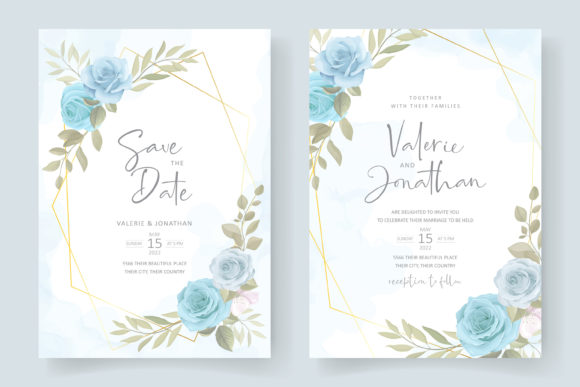
In the world of event planning and personal correspondence, the invitation card stands as the first tangible touchpoint. It sets the tone, communicates the theme, and builds anticipation. Among the myriad of design choices available, designs featuring floral motifs have maintained a timeless appeal. Specifically, the use of a soft blue floral ornament in invitation card design represents a confluence of elegance, tranquility, and versatility that resonates with a broad audience.
The Psychological and Aesthetic Impact of Soft Blue Florals
The color blue, particularly in its softer, muted shades, carries significant psychological weight. It is often associated with calmness, trust, serenity, and stability. When paired with the organic, graceful forms of floral ornaments, it creates a design language that feels both refreshing and classic. A soft blue flower pattern avoids the bold intensity of primary blues or the somber tone of darker shades, making it exceptionally suitable for events ranging from sophisticated weddings and baby showers to relaxed garden parties and corporate gatherings. This color palette feels inclusive and welcoming, never overpowering the message of the invitation itself.
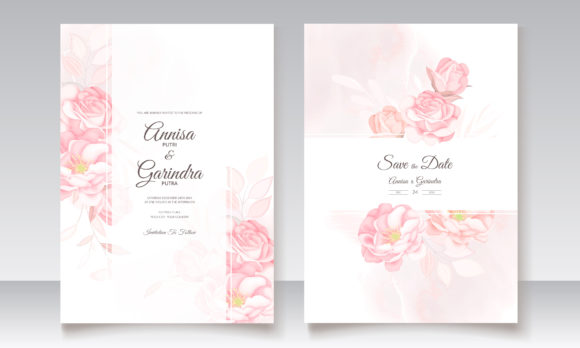
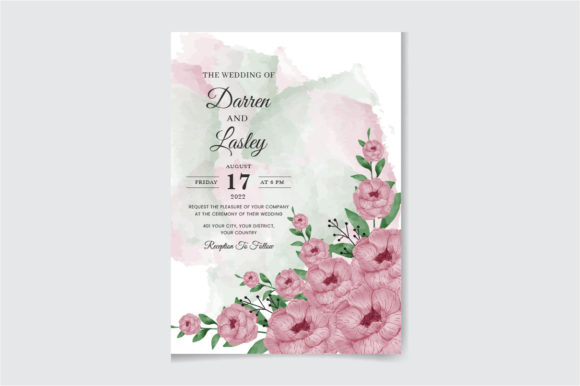
From an aesthetic standpoint, floral designs, especially those rendered in a single, harmonious color like soft blue, offer a clean yet detailed visual. The ornamentation can range from delicate line art of blossoms and vines to more intricate, watercolor-style blooms. This allows for a high degree of customization within the theme. The design element acts as a frame or a backdrop, ensuring the essential text—date, time, location, purpose—remains perfectly legible and the focal point.
Core Characteristics of This Design Template
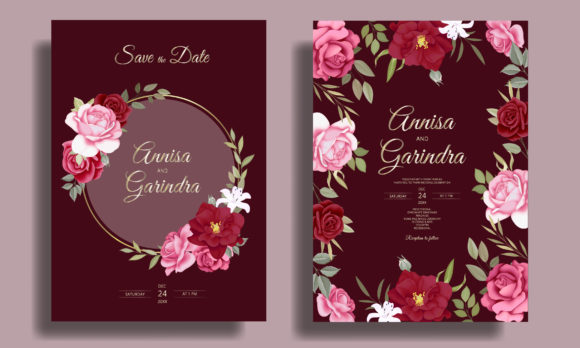
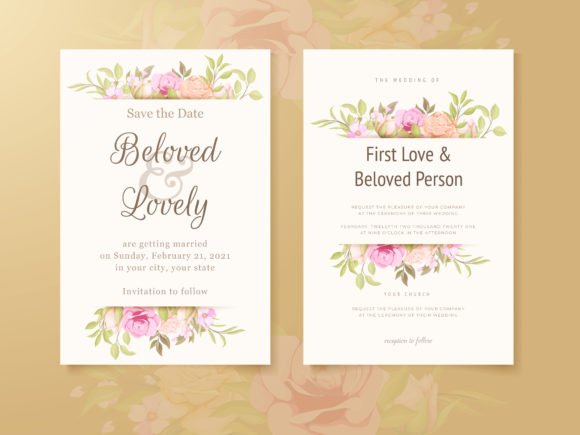
A well-executed invitation design with soft blue flower motifs typically exhibits several key characteristics. First is balance. The floral elements are distributed to complement the layout, not dominate it. They might grace the corners, form a subtle border, or cascade gently down one side of the card. Second is cohesion. The shade of blue is consistent, creating a unified look even if the floral pattern is complex. Third is adaptability. As mentioned in the product description, such a design is not locked to a single event type. The soft blue floral ornament provides a neutral but beautiful foundation that can be contextualized by the wording and additional minor graphic elements.
Understanding the Included File Formats
For creators and professionals, the practical utility of a design template is defined by its flexibility in production. A template offering multiple file formats, such as AI, EPS, and JPEG, becomes a powerful tool. The AI format, native to Adobe Illustrator, provides a fully editable vector file. Every line, curve, and shade of the soft blue floral ornament can be manipulated, scaled infinitely without quality loss, or color-adjusted. This is crucial for professional designers needing to integrate the design into a broader brand suite or customize it extensively for a client.
The EPS format is another vector standard, ensuring compatibility with a wide range of professional printing and design software beyond the Adobe ecosystem. Finally, the JPEG offers a ready-to-use, rasterized image. This is immensely useful for quick digital applications, such as online invitations, email graphics, or social media announcements, where high-resolution vector editing is not required. This multi-format approach empowers users at all skill levels—from a hobbyist printing a birthday card at home to a business owner preparing invitations for a corporate launch event.
Primary Use Cases and Real-World Applications
The application of a soft blue floral invitation design is remarkably broad. In personal life, it serves beautifully for milestone celebrations. A baby shower invitation leverages the calm, nurturing connotations of the color. A birthday party, especially for an adult or a garden-themed event, finds a perfect match in this aesthetic. Brides often select soft blue floral designs for wedding invitations, particularly for beach, vintage, or spring weddings, where the color echoes sky or water.
In professional and educational contexts, this design choice moves beyond mere decoration. A university might use it for a graduation ceremony invitation, where blue signifies knowledge and trust. A business could employ it for a client appreciation dinner or a serene wellness workshop, conveying professionalism softened by approachability. Researchers might find it suitable for conference or seminar invitations, where a calm, focused tone is beneficial. The design’s inherent elegance prevents it from feeling casual or frivolous, granting it credibility in formal settings.
Workflow Integration for Different Users
How a graphic designer, a small business owner, or a consumer utilizes this template differs based on workflow. A designer would likely open the AI file in Illustrator, strip it apart, perhaps change the blue hue to match a client’s brand pantone, add textual layers with custom fonts, and prepare final files for high-end printing. A business owner with basic design skills might use the JPEG in a tool like Canva, overlaying their text and perhaps adding a logo, before exporting for digital distribution or local print shop production. A consumer, perhaps a parent planning a party, could use the JPEG directly in a word processor, adding details and printing on quality home paper. Each format facilitates a different point on the creativity-to-convenience spectrum.
Advantages Over More Generic Invitation Designs
Choosing a design with a specific, well-executed theme like a soft blue flower pattern offers distinct advantages over selecting a completely plain or an overly generic, clip-art-style template. The first advantage is instant thematic coherence. The user does not need to build a visual theme from scratch; it is provided, ensuring the invitation looks professionally conceived. The second is emotional resonance. The color and motif carry subtle emotional cues that a plain card cannot, enhancing the recipient’s experience. The third is time efficiency. For non-designers, having a beautiful base design eliminates the most challenging part of the process—creating the graphics.
Furthermore, such a design often possesses a higher perceived value. An invitation bearing a thoughtful, artistic design reflects care and attention on the part of the sender, which can positively influence attendance rates or engagement for professional events. It stands out in a mailbox or an email inbox crowded with bland, text-only communications.
Key Considerations When Implementing the Design
While the template provides the foundation, successful implementation requires attention to detail. Typography is paramount. The font chosen for the invitation text must harmonize with the delicate floral lines. Typically, clean serif or elegant script fonts work well, avoiding bulky, harsh sans-serif types that might clash with the softness of the blue ornaments. Color consistency is another consideration. If adding any additional graphical elements, like a small monogram or a date icon, their color should either match the soft blue palette or be a complementary neutral like white, gray, or metallic gold.
For print applications, understanding the paper stock is vital. A soft blue floral design often looks exquisite on textured papers like linen or cotton, or on high-gloss stock that makes the color pop. The chosen format dictates the preparation: vector files (AI, EPS) for professional offset printing, high-resolution JPEG for digital or inkjet printing. Finally, always consider the audience. While the design is versatile, ensuring it aligns with the cultural or formal expectations of the recipients is a final, crucial step.
The Role in Modern Digital and Hybrid Correspondence
Today, many invitations are delivered digitally. The soft blue floral design translates seamlessly to this medium. The JPEG format can be embedded in emails, used as a graphic on event websites, or shared on social media event pages. Its calming color scheme is visually pleasant on screens, and the floral ornament breaks the monotony of digital text. For hybrid approaches—where a digital invitation is sent first, followed by a physical card for VIP guests—maintaining this consistent design theme across both mediums strengthens brand and event identity.
In conclusion, the enduring popularity of floral motifs in design, combined with the strategic use of a soothing color like soft blue, creates an invitation template of exceptional utility and appeal. Its availability in multiple professional and ready-to-use file formats, as noted in the product description, empowers a wide range of users to create communication pieces that are not only functional but also artistically resonant. Whether for a personal celebration, a corporate function, or an educational gathering, an invitation card design with soft blue floral ornament provides a foundation of elegance, adaptability, and practical ease, making it a compelling choice in the vast landscape of creative assets.