The Floral Panel Planter: Your DIY Guide to Elevated Interior Decor
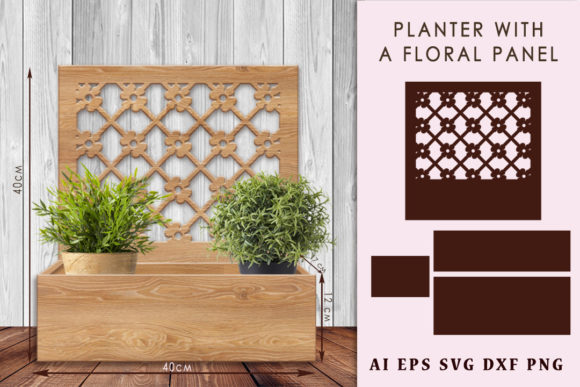
Bringing a touch of nature and personalized craft into your home doesn’t require complex woodworking or a large budget. The Planter with a Floral Panel DIY project offers a perfect blend of simplicity and elegance, allowing you to create a beautiful, functional decor piece. This design, typically available as a digital file set for cutting or printing, lets you construct a planter box adorned with a decorative floral panel. It’s more than just a container for plants; it’s a statement piece that frames your blooms, whether you choose vibrant artificial flowers or the serene beauty of natural ones with a flower sponge.
Many are drawn to this project for its promise of a customized, handmade touch. However, the journey from a digital file to a finished, decorated planter in your favorite corner involves a few nuanced steps. A successful outcome hinges on understanding the process and avoiding some common pitfalls that can lead to frustration or a less-than-polished final product.
Overlooking File Compatibility and Final Use
A primary advantage of this project is the included file suite—AI, EPS10, SVG, and PNG at 300 DPI. A frequent oversight is downloading the files without first considering your tools and end goal. For instance, if you plan to use a CNC router or laser cutter to precisely cut the panel and planter parts, the vector files (AI, EPS10, SVG) are essential. They contain clean, scalable paths. Conversely, if you’re printing the floral panel as a decorative graphic to apply onto a pre-made planter, the high-resolution PNG is your asset.
The Mistake: Grabbing all files without a plan leads to confusion. You might struggle to open a proprietary AI file without Adobe Illustrator, or attempt to use a raster PNG for precise cutting, resulting in jagged, low-quality edges.
The Better Approach: Before even downloading the ZIP folder, decide your construction method. Check your software’s capabilities. Most cutting machines and free design software like Inkscape handle SVG files excellently. For printing, confirm your printer’s quality can handle 300 DPI for a sharp, professional look. This pre-check ensures you use the right file from the start, saving time and material.
Underestimating Material Choices for Assembly
The instructions suggest cutting elements and gluing or nailing them together. This seems straightforward, but the choice of material profoundly impacts durability, appearance, and the assembly process itself.
The Misunderstanding: Assuming any thin wood or cardboard will suffice. A material that’s too thin (like standard poster board) will warp under the weight of a flower sponge and water. A material that’s too thick or hard (like some hardwoods) might be difficult to cut cleanly from the template and could split when nailed.
The Practical Advice: Opt for a balanced material. For indoor decor, medium-density fiberboard (MDF), plywood, or a good-quality craft wood are excellent choices. They offer stability, are relatively easy to cut (with appropriate tools), and hold nails and glue well. Always consider the planter’s location. For a balcony with potential moisture, sealing the wood or using a moisture-resistant material is a wise, overlooked detail. Test your adhesive or nails on a scrap piece first to ensure a strong bond without damaging the material’s surface.
Rushing the Decorating Phase
The final step—decorating your corner—is where personality shines. Yet, hastily adding flowers can undermine the entire project.
The Common Error: Placing artificial flowers or a natural arrangement without considering scale, color harmony, and maintenance. A tiny floral panel overwhelmed by huge blooms, or vibrant artificial flowers that clash with your room’s palette, makes the piece feel disjointed. For natural flowers, not understanding how the flower sponge (often an oasis foam) works can lead to quick plant demise.
The Constructive Solution: Treat the floral panel as a frame. Select flowers that complement its design size. For artificial stems, arrange them outside the planter first to find a balanced composition. For natural flowers, research proper hydration of the flower sponge: it needs to be fully saturated before inserting stems, and it requires regular watering. Perhaps consider a mix—using a base of artificial greenery with a few select, replaceable natural blooms for freshness. This approach ensures your creation remains vibrant and manageable.
Neglecting Finish and Protection
Many DIY enthusiasts focus on assembly and decoration but skip the crucial step of applying a finish. This affects both longevity and presentation.
The Overlooked Detail: Leaving raw cut wood exposed. Over time, even indoors, unfinished wood can dry, crack, or absorb stains from water spills. It also looks incomplete compared to the decorated floral panel.
What to Check and Do: Before final assembly, decide on a finish. A simple sanding and a coat of clear matte sealant protect the material and maintain a natural look. For a painted look, apply primer and paint before final assembly to avoid messy edges. If your floral panel is printed, ensure the ink is waterproof or seal it with a suitable spray. This extra step elevates the project from a craft to a lasting piece of home decor.
Evaluating the Project for Your Skill Level
While marketed as a great opportunity for all, it’s constructive to assess its fit for your specific situation.
A Realistic Consideration: Beginners might assume all necessary instructions are in the file package. Often, digital files provide the design, but detailed step-by-step assembly instructions may be brief. Professionals or entrepreneurs looking to sell finished planters might overlook licensing terms—some digital files are for personal use only.
Questions to Ask Yourself: Do you have access to the necessary cutting tools (jigsaw, laser cutter, sturdy craft knife)? Are you comfortable with basic assembly? If not, could you collaborate with a local maker space? For business use, always contact the creator, like Svetlana in this case, to clarify commercial use permissions. This due diligence prevents legal issues and ensures the project aligns with your goals, be it a hobby afternoon or a small business product line.
Ultimately, the Planter with a Floral Panel is a delightful DIY home decor project that rewards careful planning. By choosing the correct file for your tools, selecting appropriate materials, thoughtfully decorating, applying a protective finish, and honestly evaluating the project’s requirements, you transform a set of digital downloads into a tangible, beautiful accent for your space. It bridges the gap between digital creativity and physical craftsmanship, resulting in a unique piece that truly decorates your interior with your own hands.