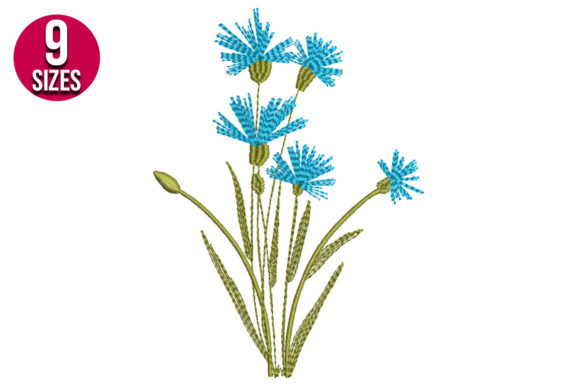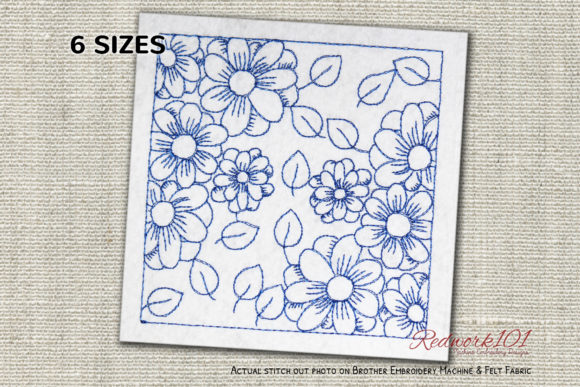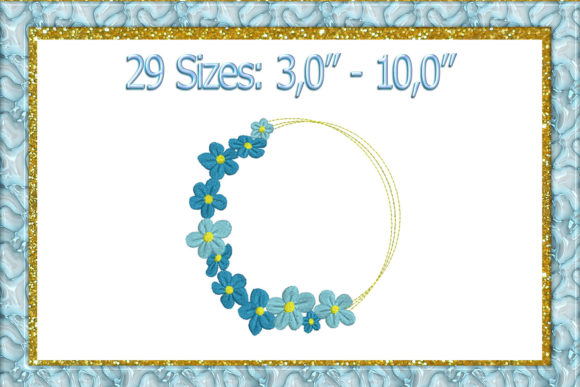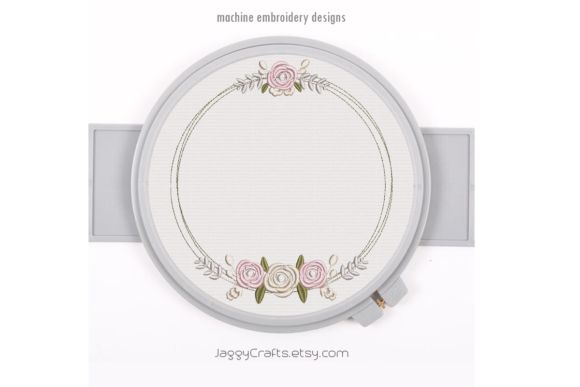
The Colorful Flower Pot Embroidery Design: Merging Rustic Charm with Digital Craft
In the world of machine embroidery, a design often transcends its digital stitches to capture a mood and an aesthetic. The Colorful Flower Pot embroidery design is a prime example. It is more than a simple floral pattern; it is a deliberate fusion of rustic, handcrafted motifs with a clean, natural visual display. This design speaks to a contemporary desire to blend the warmth of traditional crafts with the precision and efficiency of modern technology. For hobbyists, entrepreneurs, and creative professionals, it represents a versatile asset that can personalize everything from home décor to boutique fashion, embodying a trend towards customized, nature-inspired details in our daily environments.
Why Rustic Floral Designs Resonate Today
The appeal of designs like Colorful Flower Pot is deeply connected to broader cultural and lifestyle shifts. In a digital-first world, there is a counterbalancing yearning for textures and elements that feel organic and grounded. Rustic motifs evoke a sense of comfort, authenticity, and connection to simpler times. This trend is visible across interior design, fashion, and branding, where natural imperfections and earthy tones are valued. When such a motif is translated into an embroidery file, it allows individuals to introduce this tactile, comforting aesthetic onto a vast array of materials—from linen napkins and cotton totes to denim jackets and canvas wall hangings.
Furthermore, the modern workflow for many creators is hybrid. It involves digital sourcing and planning followed by physical creation. A machine embroidery design that offers a natural display of a rustic theme fits perfectly into this workflow. You can preview, modify, and execute the design digitally, but the final output is a tangible, physical object that carries emotional weight. This bridges the gap between screen and hand, satisfying both the need for efficient production and the desire for meaningful, handmade-looking results.
The Practical Design Details: Flexibility at Your Fingertips
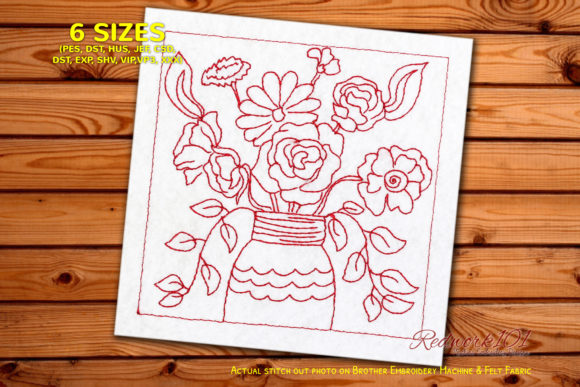
A key feature of this particular Colorful Flower Pot design is its built-in flexibility, which addresses a common need among embroiderers: control over the final look. The design includes a stitch box outline. However, this box is optional. As noted, the color of this outer box typically differs from the main floral design, allowing it to act as a framing element. But if your project calls for a purely floral focus without a bounding frame, you can simply skip that color sequence directly in your machine's interface. This level of design intentionality empowers the user.
It means the same core file can yield different visual results. On a children's apron, you might keep the bright, defining box for a playful, completed look. On a sophisticated table runner, you might omit it, letting the flower pot and blossoms stand alone for a more subtle, integrated appearance. This adaptability makes the design not just a pattern, but a toolkit for creative expression, suitable for diverse projects across personal and small-business applications.
The Technological Foundation: Universal File Formats
The relevance and usability of any digital embroidery design are fundamentally tied to its technical compatibility. This Colorful Flower Pot design comes with multiple embroidery file formats. This is a critical practical consideration. The embroidery machine market includes a variety of brands and models, each historically associated with specific file types. By providing the design in formats such as .PES, .DST, .JEF, .EXP, and others, the designer ensures that crafters using machines from Brother, Tajima, Janome, Melco, Husqvarna, and many more can access and use it without conversion headaches.
For the professional or busy hobbyist, this eliminates a significant technical barrier. It means you can invest in a design library and confidently apply it across different machines you might own or operate, whether at home or in a small studio. This multi-format approach reflects an understanding of the real-world, fragmented landscape of embroidery technology and places user convenience at the forefront. It turns a beautiful design into a genuinely practical asset.
Integration into Creative and Commercial Practices
For different segments of the audience, this design serves distinct, valuable purposes. For the hobbyist, it’s a source of joyful creation and personalization, perfect for gifting or enhancing one's own space. For the entrepreneur running a small Etsy shop or local boutique, designs like Colorful Flower Pot are inventory. They can be applied to a core product line—say, tea towels or tote bags—to create cohesive, branded items that stand out in a market saturated with mass-produced goods. The rustic floral theme has wide appeal and can attract customers looking for unique, artisan-style products.
Educators and workshop leaders might use such a design as a teaching tool, demonstrating how to manage color sequencing or how a single design can be altered for different effects. For freelancers in the craft industry, having a library of versatile, multi-format designs like this increases their service offerings to clients who need custom embroidery. The design’s clear, natural composition also makes it excellent for beginners, as it stitches out reliably without overly dense fills or tricky details, building confidence and skill.
Observing the Evolution of Digital Embroidery Assets
Machine embroidery designs have evolved from simple, often rigid patterns to sophisticated, user-centric digital assets. Earlier designs might have been monolithic; every element was locked in. Contemporary designs, as exemplified by this Colorful Flower Pot, show a maturation. They are created with an awareness of the end-user's machine interface and creative intent. The optional stitch box is a nod to this evolution—it provides structure but does not enforce it.
This reflects changing user expectations. Today's embroiderers, whether professionals or enthusiasts, expect digital tools to offer control and customization. They are not merely executing a preset pattern; they are collaborating with the design file to produce a unique outcome. Designers are responding by creating files that are more modular and transparent, where elements can be toggled or colors easily changed. This Colorful Flower Pot design, with its separable framing element, is part of this progressive shift towards more flexible and intelligent digital craft resources.
Realistic Applications and Recommendations
To truly leverage this design, consider its application across different contexts. For home décor, try stitching it onto the corner of plain curtain valances or a set of pillowcases to introduce a cohesive, custom touch. In fashion, it can adorn the back of a canvas hat or the pocket of a simple denim shirt. For small businesses, consider using it as a signature logo or decorative element on product packaging, like reusable fabric bags.
A practical recommendation is to always test the design on a similar fabric scrap first, especially when deciding whether to include or omit the optional outer box. Observe how the colors interact with your base material. Since the design emphasizes a natural display, choosing fabrics with a natural texture—like cotton, linen, or wool felt—can enhance the rustic feel. Remember, the design's strength is its blend of rustic motif and clean execution; let your material choice complement that duality.
Ultimately, the Colorful Flower Pot embroidery design captures a moment in craft where digital precision and rustic aesthetics meet. It provides not just a pattern, but a versatile, technologically accessible means to inject warmth and personalized nature into a project. Its optional elements and multi-format support make it a practical choice for a wide spectrum of users, from the weekend crafter to the professional maker. As trends continue to favor authentic, personalized design, such resources become ever more valuable, allowing us to seamlessly stitch the charm of the past into the fabric of the present.