Cornflower Embroidery in Design
Imagine injecting a burst of natural elegance into your creative projects with a single, versatile design element.
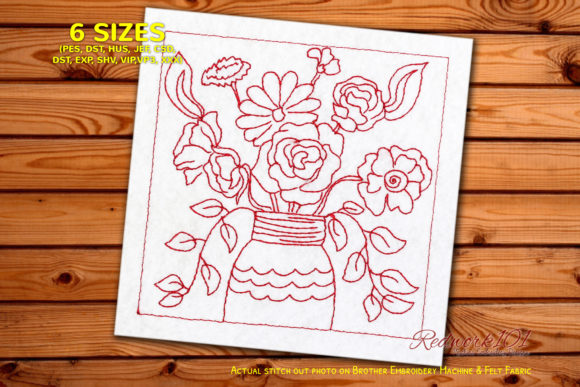
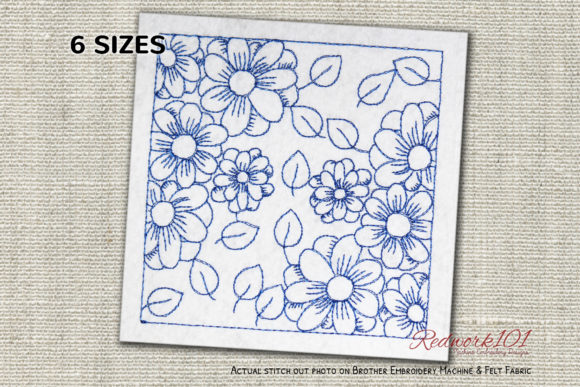
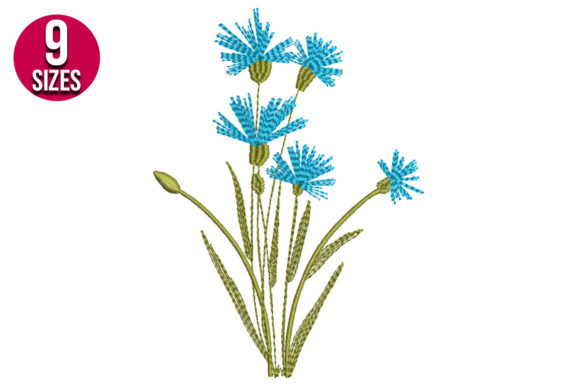
Cornflower embroidery, as a machine embroidery design file, transcends its craft origins to become a powerful graphic design asset. This beautiful floral motif offers designers a ready-made solution for adding organic, colorful detail to any visual composition, from digital interfaces to physical products. Its inherent qualities—a balanced composition, a charming palette, and a scalable format—make it a surprisingly potent tool in modern visual communication.
Visual Applications Beyond Fabric
In professional graphic design, assets are judged by their adaptability and impact. This embroidery design, available in multiple file formats for broad compatibility, functions like a high-quality vector graphic. It can be seamlessly integrated into diverse mediums, enhancing brand identity and user experience through consistent visual storytelling.
Strengthening Brand Identity & Marketing
A cohesive brand identity relies on recognizable visual elements. The cornflower motif can be adapted as a secondary logo mark, a pattern for background textures, or an iconic graphic for branded merchandise. Its organic feel can soften corporate aesthetics or add authenticity to lifestyle brands. Consider these applications:
- Logo Design & Brand Marks: Simplified versions can serve as elegant decorative elements in letterheads or app icons.
- Social Media Graphics & Digital Marketing: Use it as a focal point in campaign visuals to create a memorable and aesthetically pleasing connection.
- Packaging & Print Design: The design adds a tactile, crafted quality to labels, boxes, and editorial layouts, elevating perceived value.
- Web & UI Design: Incorporated as a subtle illustration or repeated pattern, it can enhance visual hierarchy and guide user engagement with natural warmth.
Evaluating Design Assets for Professional Use
When selecting any design element, like this embroidery file, for professional projects, consider its integration into your overall design workflow. Key factors include scalability without loss of quality, which this multi-format file provides, and compatibility with your existing color palette. The design’s composition should support your visual hierarchy, not compete with it.
For instance, the cornflower’s defined outlines and clear color separation make it excellent for applications requiring clarity at various sizes, from a large poster to a small mobile screen icon. Its colors can be adjusted to align with your brand’s color palette, ensuring consistency across all marketing materials and creative projects.
Tips for Effective Implementation
To maximize the asset’s value, approach it with a designer’s mindset. Don’t just place it; curate it.
- Context is Key: Pair it with complementary typography—perhaps a clean, modern sans-serif font to balance its organic detail.
- Control Emphasis: Use it as a dominant feature for a folk-inspired aesthetic, or as a subtle repeated texture for a more minimalist background.
- Extend the Theme: Let the flower inspire broader design choices, influencing your selection of photography style or supporting graphics to create a unified modern aesthetic.
This approach transforms a simple asset into a core component of your visual narrative, improving the professionalism and cohesion of everything from advertising campaigns to product packaging.
Ultimately, thoughtful design choices hinge on selecting assets that offer both beauty and utility. Quality creative resources, like a well-crafted embroidery design adapted for graphic use, do more than decorate; they communicate. They evoke emotion, build brand recognition, and create a more engaging user experience. By focusing on assets that are versatile, scalable, and aligned with your communication goals, you ensure your designs not only look impressive but function effectively, turning visual style into a tangible advantage for your brand or project.