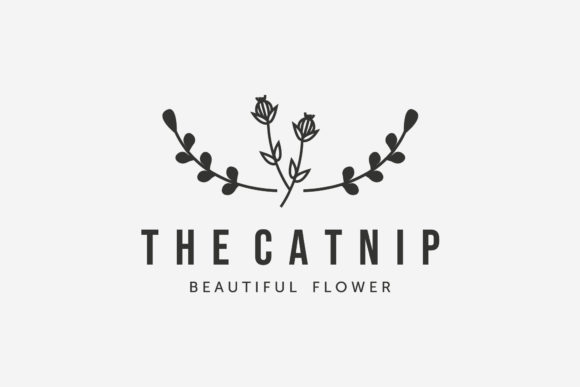
The Canadian Catnip Flower Cattail Logo: An Essential Asset for Modern Creativity
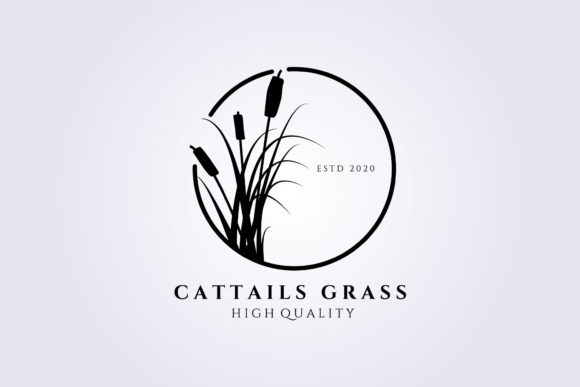
In today’s fast-paced digital landscape, the demand for high-quality, adaptable visual assets is at an all-time high. Professionals, entrepreneurs, and creators need tools that are both versatile and reliable. This is where a resource like The Canadian Catnip Flower Cattail Logo becomes not just a graphic, but a cornerstone for branding and design projects. As a distinct and evocative symbol, this logo captures a unique blend of natural Canadian flora—the whimsical catnip flower and the stately cattail—into a cohesive emblem. Its relevance lies in its specificity and its readiness for immediate, professional application.
Why Vector-Based Design Files Are the New Standard
The digital age has shifted the creative workflow fundamentally. Gone are the days when a static image file could suffice for a business’s entire visual identity. Modern needs require scalability, editability, and cross-platform compatibility. The inclusion of only 4 files: EPS 10, 100% vector, SVG, PDF, and JPG in this package speaks directly to these demands. Each format serves a distinct, critical purpose in a contemporary workflow. The EPS file, optimized for Adobe Illustrator, is the gold standard for professional vector editing, allowing designers to change vector-based designs as you wish. The SVG file ensures seamless integration for web developers, enabling crisp displays on any screen size. The PDF provides a reliable format for client presentations and print-ready proofs, while the JPG offers a quick, accessible preview for non-design stakeholders.
This multi-format approach reflects a broader trend: the move towards asset portability. A logo is no longer just for a website header or a printed brochure. It appears on social media profiles, mobile app icons, promotional merchandise, video overlays, and even virtual environments. Having a logo package that provides foundational vector files alongside convenient raster formats empowers users to adapt to any medium without sacrificing quality. The non-editable text element within the logo is a crucial consideration, often protecting brand names or specific legal wording while freeing the graphical elements for customization. This balance between fixed identity and flexible design is exactly what modern businesses seek.
Evolution of Brand Assets: From Static to Dynamic
The attention paid to comprehensive logo files like this one marks an evolution in how we perceive brand assets. Previously, a logo might be purchased as a single low-resolution image. Today, savvy creators and business owners understand that a logo is a living component of their brand ecosystem. It needs to work across an ever-expanding array of touchpoints. The growing focus on The Canadian Catnip Flower Cattail Logo and similar detailed packages stems from this heightened awareness. People are paying more attention because the cost of a poorly formatted asset is now tangible—a pixelated logo on a high-definition display, an awkwardly scaled graphic on a mobile device, or the inability to match a logo with a new brand color palette can harm credibility and user perception.
Furthermore, the rise of freelance markets and small business entrepreneurship means more individuals are handling their own branding without dedicated design teams. They require assets that are “self-service” but professional. A package that advises for the best result, try to open the EPS file using Adobe Illustrator is not a limitation; it’s an empowerment. It guides the user to the most powerful tool for unlocking the asset’s full potential, while still providing other formats for simpler tasks. This evolution mirrors the democratization of design tools—professional-grade results are now achievable by non-specialists with the right foundational materials.
Practical Implications for Users and Professionals
The practical value of this specific logo package is immense. For a business owner launching a Canadian-themed boutique, outdoor brand, or pet-related product line, the imagery is instantly appropriate. The catnip flower suggests playful appeal and natural wellness, while the cattail evokes resilience and native landscapes. They can use the JPG for a quick website placeholder, then have a designer use the EPS to extract elements for a full brand pattern or icon set.
For a marketer or blogger, the ready-made SVG allows for embedding a crisp logo into blog headers or email newsletters without worrying about file weight or resolution loss. For a freelancer or educator creating course materials or client reports, the PDF ensures the logo prints perfectly on any handout or document. The ability to change vector-based designs as you wish means a web designer can, for instance, modify the color scheme to match a seasonal campaign while keeping the iconic silhouette intact, all within Illustrator using the clean EPS 10 vectors.
The real-world application extends beyond immediate use. It’s about future-proofing. As a business grows and its visual needs become more complex—perhaps requiring animated versions for video, or simplified monograms for app icons—having the original, scalable vector files is indispensable. Starting with a high-quality, multi-format base like this logo avoids the common and costly pitfall of later needing to recreate or poorly upscale a low-quality logo.
Integrating Quality Assets into Modern Creative Practices
Current trends in design emphasize authenticity, specificity, and adaptability. A logo featuring distinct, regional flora like catnip and cattail aligns with the desire for authentic storytelling in branding. It’s not a generic symbol; it carries a narrative of place and character. This fits perfectly into markets valuing uniqueness and local connection. Furthermore, the technical specifications of the files support modern agile and iterative creative practices. Design is rarely a one-step process. A logo might be tested in several contexts, tweaked for different audiences, or adapted for sub-brands. The provided file suite enables this iterative experimentation without starting from scratch each time.
Consider the workflow of a modern digital agency. They might receive the logo package from a client. They’ll open the EPS in Illustrator to confirm colors are on separate layers for easy adjustment, use the SVG for immediate web implementation during a site prototype, embed the PDF into a branded pitch deck, and share the JPG with the social media team for asset identification. This seamless transition across platforms and teams is the hallmark of a well-prepared digital asset. It reduces friction, saves time, and maintains visual consistency—key objectives in any professional creative environment.
Observations and Realistic Recommendations
For anyone acquiring The Canadian Catnip Flower Cattail Logo, a few grounded recommendations can maximize its value. First, even if you are not a designer, familiarize yourself with the different file types. Understand that the EPS is your “master file” for any future major changes. Second, if you work with a designer, provide them the entire package, not just the JPG. This grants them the flexibility they need to serve your brand best. Third, consider the logo not as a single image, but as a system. The vector elements might be used separately as background textures, watermark patterns, or decorative accents on packaging, expanding your brand’s visual language.
Avoid the temptation to use only the JPG because it’s the easiest to open. While convenient for quick previews, relying on it for critical applications will limit your brand’s growth. The forward-looking approach is to build your visual foundation with the strongest materials available. This logo package, with its emphasis on professional-grade EPS vectors and complementary formats, is designed to be that foundation. It acknowledges that today’s creative and business needs are dynamic, and it provides the tools not just for today’s project, but for the evolving requirements of tomorrow.
In essence, the significance of this asset lies in its convergence of meaningful design and practical utility. It offers a visually compelling symbol rooted in a specific aesthetic, backed by a technical package that meets the rigorous, multi-platform demands of contemporary digital life. For the professional seeking a robust starting point, the hobbyist building a passion project, or the entrepreneur crafting a brand story, it represents a smart investment in quality and adaptability—the very qualities that define successful visual communication in our current era.