The Art of the Hand-Drawn Wreath: A Gateway to Personalized Creativity
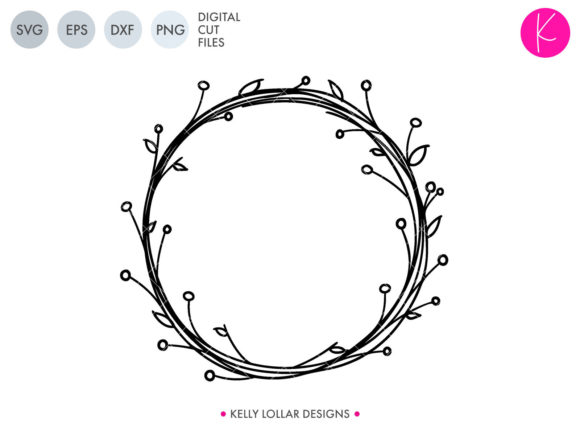
In a world often dominated by sleek, digital perfection, there is a unique charm and warmth found in the art of the hand-drawn. A hand-drawn wreath, specifically a hand-sketched circle monogram frame adorned with leaves and blooms, represents more than just a decorative element. It is a versatile tool for personal expression, a bridge between traditional artistry and modern digital application, and a testament to the enduring appeal of organic design. This simple yet elegant motif, available in formats like SVG, PNG, EPS, and DXF, unlocks a realm of creative possibilities for monograms, names, and quotes, inviting both beginners and seasoned creators to incorporate a touch of crafted beauty into their projects.
Understanding the Hand-Drawn Wreath: More Than Just a Circle
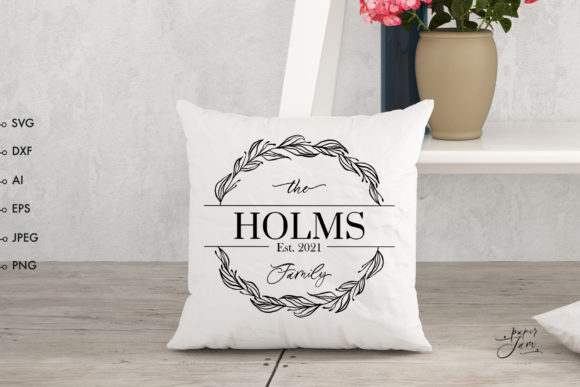
At its core, a hand-drawn wreath is a circular frame, meticulously sketched to mimic the natural, sometimes imperfect, lines created by pen or pencil on paper. Unlike a computer-generated perfect circle, it carries the character of the artist’s hand—variations in line weight, subtle asymmetries, and a sense of organic flow. The addition of leaves and blooms, also hand-sketched, transforms this circle into a floral wreath, a symbol of growth, celebration, and natural elegance that has been used in art and design for centuries.
The key to its versatility lies in its foundational purpose: to frame and highlight. Historically, wreaths have been used to encircle important symbols, text, or portraits, drawing the viewer’s eye to the centerpiece. In the digital context, this hand-sketched version serves the same function but with a softer, more approachable aesthetic. It provides structure without rigidity, offering a welcoming border that feels personal and intentionally crafted rather than mass-produced.
The Significance of “Hand-Sketched” in a Digital Age
Why does the “hand-drawn” aspect matter so much today? In the realms of branding, social media, and personal projects, authenticity is highly valued. A hand-sketched design conveys effort, individuality, and a human touch. It stands out against a backdrop of stock vector graphics that can feel impersonal. For the audience, it subconsciously suggests care and attention, making any project it adorns—from a wedding invitation to a boutique logo—feel more special and considered.
Furthermore, this style fits beautifully into modern design trends that blend analog and digital. It is a perfect example of how traditional art techniques are digitized (into SVG, DXF, etc.) to become flexible assets for use in software like Adobe Illustrator, Canva, or CNC machining tools. This marriage of forms makes it incredibly relevant for today’s creators, who often operate in a hybrid space of physical and digital media.
Exploring the Practical Applications and Formats
The provided file formats—DXF, EPS, PNG, and SVG—each serve a specific purpose, making the wreath adaptable across different platforms and technologies. Understanding these formats helps users apply the design effectively.
- SVG (Scalable Vector Graphic): This is perhaps the most crucial format for digital design. It is a vector file, meaning it can be scaled to any size without losing quality. It’s perfect for web design, logo creation, and further editing in vector-based software.
- PNG (Portable Network Graphics): A raster image file with typically a transparent background. This format is ideal for direct use in digital presentations, social media graphics, or simple print projects where easy placement is needed.
- EPS (Encapsulated PostScript): A legacy vector format widely used in professional print and publishing industries. It ensures high-quality output for physical products like brochures, signage, or apparel.
- DXF (Drawing Exchange Format): This CAD format opens the door to physical fabrication. It allows the wreath design to be used in CNC machines, laser cutters, or engravers to create tangible products like wooden signs, metal jewelry, or acrylic decorations.
This multi-format approach ensures that the single hand-drawn wreath design can journey from a digital screen to a physical object, highlighting its incredible practical relevance.
Versatile Uses: From Monograms to Personalized Gifts
The description hints at several applications, but the potential is vast. Let’s explore some concrete examples to understand how this asset integrates into daily creative, business, and personal activities.
- As a Monogram Border: The classic use. Place a single letter, perhaps a family initials or a company acronym, within the wreath. This instantly creates a custom logo, a personalized seal for stationery, or an elegant emblem for a website header. The hand-drawn style makes the monogram feel bespoke.
- Framing a Quote or Inspirational Text: Whether for a social media post, a printable art piece for your home, or a element in a presentation slide, wrapping a favorite quote within the wreath gives the words prominence and a decorative, heartfelt context.
- Creating Lovely Personalized Pieces: By adding names, dates, or small characters (like a heart or star), the wreath becomes the foundation for unique gifts. Think of wedding anniversary artwork, customized birth announcements, or one-of-a-kind birthday cards. The floral elements naturally suit celebratory themes.
- In Business and Branding: Small businesses, especially in niches like floristry, artisan crafts, wellness, or wedding planning, can use this wreath as a brand element. It communicates natural quality, personal attention, and artistry—values that resonate with specific customer bases.
- In Education and Creativity: For teachers creating engaging classroom materials or for individuals learning graphic design, such an asset is a fantastic starting point. It demonstrates how a simple vector can be manipulated, layered, and repurposed, teaching core design principles in a practical way.
Clarifying Common Misunderstandings
When approaching a design asset like this, a few assumptions can limit its utility. Let’s clarify them to broaden understanding.
Misunderstanding 1: “It’s just a picture; I can only use it as-is.” Because it comes in vector formats (SVG, EPS), it is not merely a static image. The user can edit it: change the color of the leaves, adjust the line thickness, separate the blooms from the circle, or even combine it with other elements. It is a component, not a final product.
Misunderstanding 2: “Hand-drawn means it’s low quality or messy.” In digital design, “hand-drawn” is a stylistic choice representing a specific aesthetic—one of warmth and authenticity. The technical quality of the provided vector file is high; it is clean, scalable, and professional, merely mimicking the sketched style.
Misunderstanding 3: “The fonts are included.” As noted, fonts are not included. This is standard practice. The wreath is a design frame. The user supplies the typography, allowing for endless personalization and ensuring compatibility with their existing font libraries or brand guidelines.
Building a Broader Understanding: The Wreath in Context
To truly appreciate this tool, see it as part of a larger movement towards accessible, hybrid creativity. Technology like vector software and home laser cutters has democratized design and fabrication. A hand-sketched wreath asset sits perfectly at this intersection. It allows someone with no formal drawing skill to utilize the aesthetic of hand-sketching. It enables a small business owner to create professional-looking branded materials without a huge budget. It supports the DIY culture where personalized, meaningful items are valued over generic ones.
In modern life, where we constantly curate our digital personas and physical spaces, such design elements help us express individuality. Adding a hand-drawn wreath to a blog header, a custom T-shirt, or a family holiday card injects a piece of intentional artistry into our daily activities. It moves beyond mere decoration to become a carrier of personal meaning—encircling the names, words, and symbols that matter most to us.
Incorporating It Into Your Creative Collection
The invitation to “add it to your collection” is significant. For hobbyists and professionals alike, a library of versatile, high-quality design assets is like a toolkit. This wreath is a fundamental tool in that kit. Its simplicity is its strength. Start by using it in a straightforward way, like framing a monogram. As you become more comfortable, experiment: combine two wreaths, use only a segment of it as a corner accent, or fill the center with a photograph. Its applications scale with your confidence and needs.
Ultimately, the hand-drawn wreath with leaves and blooms is more than a digital file. It is an idea—an idea that artistry can be digitized and shared, that personalization enhances connection, and that even in our fast-paced, technological world, there is a place for the slow, careful beauty of a sketched line. By understanding its purpose, formats, and vast applications, you unlock not just a design, but a pathway to making your projects, and perhaps even your daily visual environment, more uniquely and authentically yours.