Exploring the Creative Depth of the Gilded Flowers Vol. 18 Collection
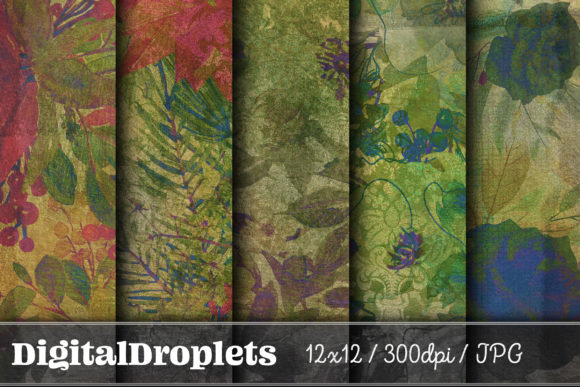
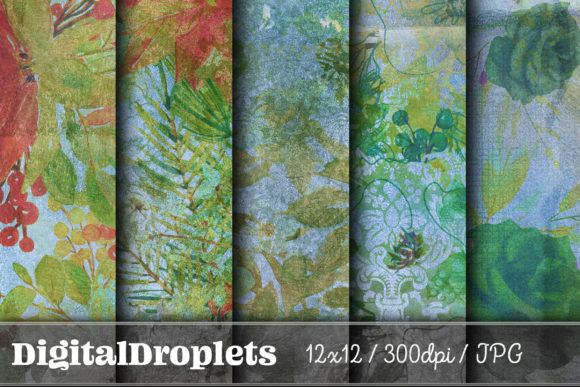
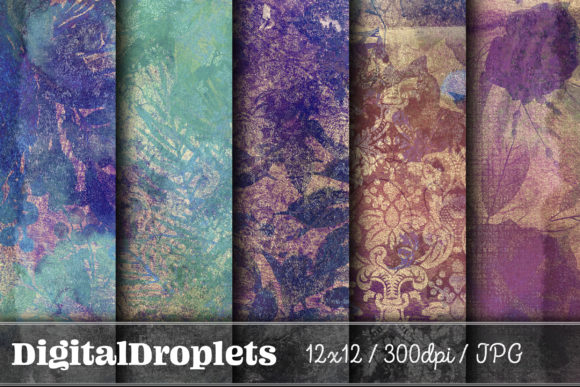
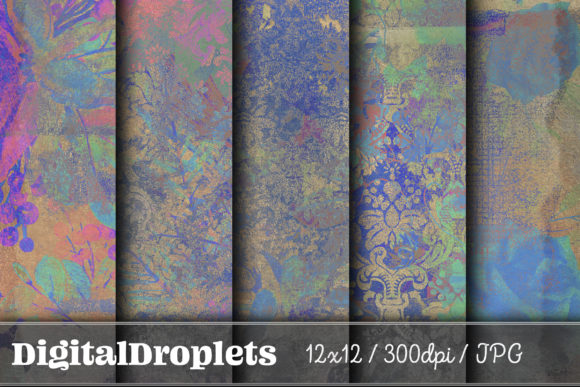
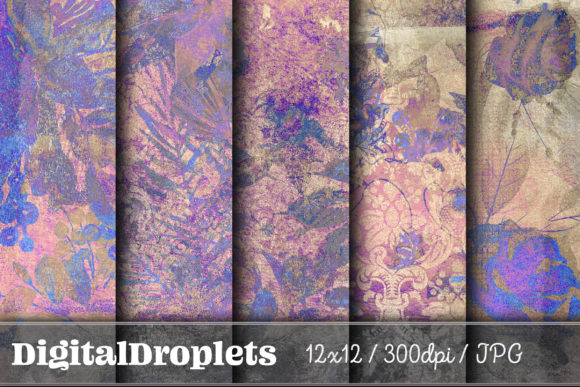
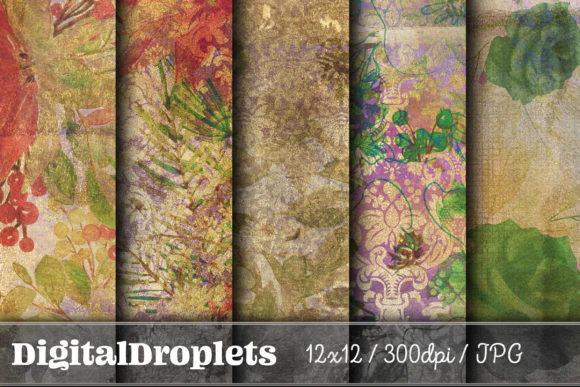
The world of digital papercraft is rich with textures and themes, but collections that successfully bridge distinct aesthetic realms are particularly valuable to creators. The Gilded Flowers Vol. 18 Collection, and its central product the Gilded Flowers Vol. 18 Collection 12×12 Paper Set of 20 papers, exemplifies this bridging. It presents a core idea: floral elegance juxtaposed with aged, tactile backgrounds. Each of the twenty high-resolution JPEG files in this set features a unique floral pattern overlaid on a cardboard texture, accompanied by a distinct border on every paper. This foundational combination unlocks a wide spectrum of projects, from the intentionally worn and mysterious to the nostalgically ornate.
Deciphering the Aesthetic: Grunge, Gothic, Vintage, and Steampunk
The immediate characterization of this collection as leaning towards the grunge and gothic side provides a key insight. Grunge aesthetics often embrace a sense of decay, raw texture, and a departure from pristine perfection. The cardboard textures in these papers contribute directly to this feel, offering a simulated surface that is weathered and substantial. Gothic elements, meanwhile, can invoke a darker, more romantic, or dramatic sensibility, which the intricate and sometimes opulent floral patterns can channel, especially when paired with such textured grounds.
Importantly, the description also notes its compatibility with vintage and steampunk projects. Vintage themes seek a connection to past eras, often through motifs and a sense of aged beauty. The floral designs here, combined with the textured backdrop, can evoke pages from an old botanical journal or recovered Victorian wallpaper. Steampunk, blending industrial and Victorian elements, finds a natural partner in papers where nature (the flowers) meets a seemingly utilitarian or industrial texture (the cardboard). This multifunctional aesthetic identity is a significant advantage, allowing a single collection to serve multiple creative niches without forcing the designer to acquire disparate resources.
Core Specifications and Quality Considerations
The technical specifications of the set are critical for practical application. The files are provided as 20 high-resolution JPEGs at 12×12 inches and 300 DPI. This resolution is the standard for high-quality print projects, ensuring that details of both the floral patterns and the cardboard textures remain sharp when printed for physical crafts. The 12×12 size is particularly aligned with the scrapbooking community, a primary use case, but it also offers ample space for cropping, cutting, and adapting to other formats. Understanding that these are digital files underscores their flexibility; they are not consumable single-use items but reusable assets that can be printed multiple times for different projects or scaled digitally for web or design work.
Primary Applications and Endless Possibilities
The listed applications provide a concrete roadmap for how these papers can be utilized. For Vintage themed scrapbooks and photo albums, these sheets can serve as foundational page backgrounds, matting for photographs, or decorative elements for borders and titles. The unique border on each paper means that a single album can have cohesive yet individually framed pages. In junk journals, which often celebrate mixed media and eclectic, layered aesthetics, these papers are ideal for creating pockets, tags, page inserts, and cover decorations. Their textured appearance adds depth and a tactile feel even in a digital print.
Beyond these, the set works for frames, washi tape strips, shapes, tags, envelopes, and cards. This speaks to the process of digital crafting: the papers can be printed and then physically cut or die-cut into specific shapes like tags or card fronts. Digitally, they can be used to design printable washi tape patterns or elements for digital card making. The mention of “other similar items” opens the door to uses like bookmark creation, box decoration, or even small decoupage projects.
Expanding the Creative Horizon
The broader list of possibilities reinforces the collection’s versatility. For Scrapbooking and Scrapbook pages, they are a direct fit. In card making, whether digital or physical, a single floral paper can provide an elegant background. Junk Journals and Collages benefit from the layered complexity of the designs. The papers can serve as Backgrounds for digital art, web design, or even video overlays when considering their high resolution.
The application to Washi Tape design is interesting; one could print these patterns onto blank washi tape sheets or use the designs digitally to create custom tape graphics. For Tags and Gift Wrap, printing these on appropriate paper stock can yield unique, thematic gift accessories. Planner Stickers involve cutting the floral elements into functional or decorative stickers for planners. Home Decor projects might include framing individual sheets as standalone wall art or using them in decoupage on objects. Invitations for events with vintage, gothic, or steampunk themes can derive their entire visual language from these papers. Blog Design and Wall Art round out the uses, indicating that the assets are suitable for both screen and large-format print. This extensive list underscores the principle that a well-conceived digital paper collection is not a single-purpose tool but a multi-use creative resource.
Integration into Creative Workflows
For the professional, hobbyist, or business owner, integrating such a collection into a workflow requires consideration. The first step is often acquisition and organization; storing the 20 high-resolution files in a dedicated project folder is essential. Then, assessment: reviewing each paper to understand its specific floral pattern and border design allows the creator to match papers to project themes. For a scrapbooker documenting a garden visit with a vintage feel, certain papers may be more suitable than others.
In a digital workflow, these JPEGs can be imported into design software like Adobe Photoshop, Illustrator, or even free alternatives like GIMP. They can be layered with other elements, textures, or photographs. Their 300 DPI resolution allows for zooming and cropping without loss of quality for print. In a physical workflow, the key is selecting the correct paper stock for printing—a matte cardstock might enhance the cardboard texture simulation, while a glossy stock could make the floral elements pop differently. The unique borders on each paper also offer a ready-made design element, reducing the need to create custom borders for each page or item.
Observations on Market Context and Creator Support
The note that there are other variations in the shop as well as sample freebies is a practical point for the audience. It suggests that the creator or vendor behind the Gilded Flowers Vol. 18 Collection likely offers complementary products. These could include other volumes in the Gilded Flowers series, perhaps with different color palettes or base textures, or coordinating elements like matching digital embellishments, alphabets, or stamps. Sample freebies are a common and effective way for digital designers to allow potential users to test the quality and style of their work before committing to a full purchase. For a broad audience, checking out these variations and free samples is a sensible step to ensure the collection aligns with their specific needs and to potentially build a more comprehensive toolkit of coordinated assets.
This approach also touches on a trend in digital creative assets: the development of cohesive ecosystems. Rather than isolated papers, many designers now offer collections that include papers, elements, templates, and sometimes fonts, all styled to work together seamlessly. While this article focuses on the paper set, awareness of related products can significantly expand a project’s coherence and reduce design time.
Final Considerations for Potential Users
The endless possibilities mentioned are not merely promotional hyperbole but a realistic outcome of well-designed, high-quality, and versatile digital papers. The key considerations for any user evaluating this set should include: aesthetic alignment with their typical projects, the technical quality (resolution and size) suiting their output needs (print vs. digital), and the breadth of applications they envision. For educators teaching digital design or historical aesthetics, such collections can serve as excellent study materials or project resources. For business owners in the stationery, invitation, or home decor sectors, these papers can become part of a product line for printable goods.
Ultimately, the Gilded Flowers Vol. 18 Collection 12×12 Paper Set of 20 papers stands as a specific solution within a broader creative landscape. Its defined characteristics—the floral patterns, cardboard textures, unique borders, and grunge/gothic/vintage/steampunk compatibility—give it a clear identity. Its advantages lie in its high-resolution reusable format, its multifunctional aesthetic, and the sheer number of applications from scrapbooking to blog design. By focusing on these practical attributes and real-world uses, creators can make an informed decision on how this collection might enrich their own creative endeavors, whether they are professionals building a client project or hobbyists crafting a personal junk journal.